

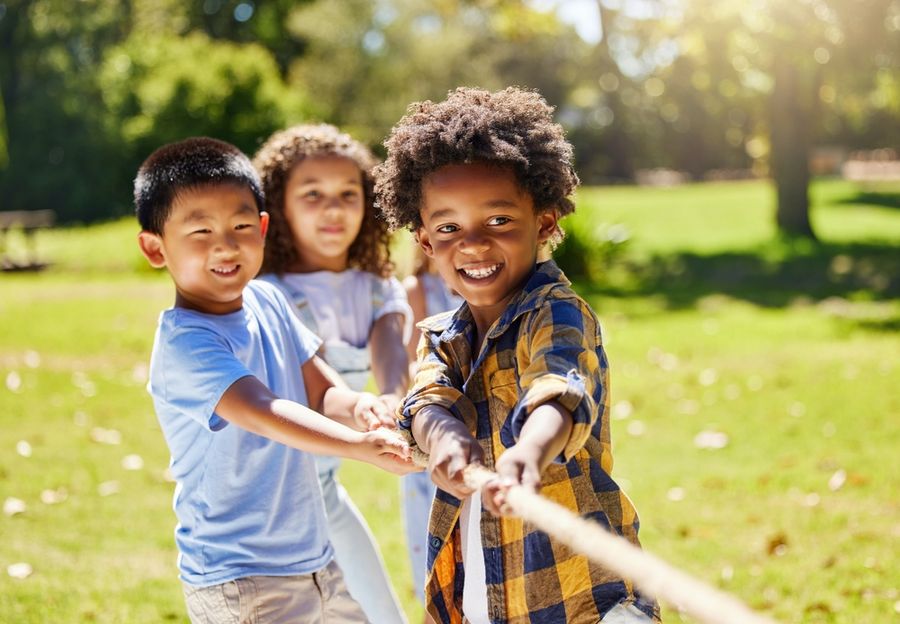
Outdoor play gives children valuable opportunities to explore, imagine, and strengthen essential developmental skills. Time outside helps kids connect with their surroundings in ways that indoor activities cannot always replicate. Fresh air, open spaces, and natural elements support physical, emotional, and cognitive growth. Outdoor environments also encourage curiosity and creativity. With regular exposure to nature and active play, children build confidence, resilience, and healthy habits that support lifelong well-being.
Supporting Physical Health Through Active Movement
Outdoor play encourages children to move freely and use their bodies in dynamic ways. Running, climbing, jumping, and balancing help develop strength, coordination, and motor skills. Open spaces allow kids to stretch their abilities without the limitations often found indoors. These activities also promote cardiovascular health and contribute to healthy physical development. The natural terrain found outside—uneven ground, hills, and varied surfaces—helps children strengthen stabilizing muscles they may not use as often indoors.
The fresh air and natural environment make physical activity more enjoyable. Children often play longer and with more enthusiasm when outside, increasing daily movement without it feeling like a chore. Outdoor play also helps reduce restlessness and supports better sleep patterns. Exposure to sunlight provides valuable vitamin D, which supports bone health and mood regulation. Over time, regular active play builds a foundation for lifelong fitness and healthier routines.
Boosting Cognitive Development Through Exploration
Nature offers endless opportunities for learning. Observing plants, insects, weather patterns, or textures encourages children to ask questions and explore ideas. This type of discovery supports problem-solving skills and enhances curiosity. Outdoor play promotes hands-on learning that strengthens memory and understanding.
Unstructured play also nurtures creativity. Natural elements such as sticks, rocks, and leaves become tools for imaginative thinking. Children learn to invent games, build structures, and create stories inspired by their surroundings. These experiences help develop flexible thinking and support cognitive growth in meaningful ways.
Enhancing Emotional Well-Being and Stress Relief
Time outdoors provides a calming effect that helps children regulate their emotions. Natural settings reduce stress and offer a break from overstimulating environments. The sensory experience of feeling the breeze, listening to birds, or watching clouds can soothe the mind and promote relaxation. This emotional reset helps children feel more grounded and refreshed. Even short periods outside can lower frustration and help kids process difficult feelings with greater ease.
Outdoor play also supports confidence and resilience. When kids take small risks, explore new areas, or solve problems independently, they build emotional strength. These experiences teach them how to navigate challenges and manage frustration. Positive outdoor moments—like mastering a new skill or discovering something fascinating—reinforce a sense of accomplishment. Over time, outdoor play contributes to a stronger sense of emotional balance and greater self-assurance.
Building Social Skills Through Shared Play
Outdoor environments encourage cooperation and communication among children. Activities like playing tag, building forts, or organizing games require teamwork and negotiation. Kids learn how to take turns, solve disagreements, and support one another. These interactions help develop empathy and social awareness.
Group play also allows children to practice leadership and collaborative problem-solving. They learn how to create rules, share responsibilities, and adapt to others’ ideas. Outdoor settings often reduce social pressures found indoors, making it easier for kids to connect. Strong social skills developed during play contribute to healthier relationships in everyday life.
Encouraging Independence and Confidence
Outdoor play offers children the freedom to explore their limits in a safe and supportive environment. When they choose activities or navigate natural obstacles, they practice decision-making and build self-reliance. Each new achievement, whether climbing a little higher or trying a new game, boosts confidence.
This sense of independence carries over into other areas of life. Children who feel capable outside often show greater initiative indoors as well. They learn to trust their abilities and approach challenges with a positive mindset. Outdoor play becomes an important part of developing strong self-esteem.
Growing Strong Minds and Bodies Through Outdoor Experiences
Outdoor play nurtures the whole child, supporting physical strength, emotional resilience, and cognitive growth. Each moment spent exploring nature helps kids build confidence, curiosity, and healthy habits. When families encourage time outside, children gain experiences that enrich their development in lasting ways. Over time, outdoor play becomes a powerful source of learning, joy, and well-being.