

Dental implants have revolutionized modern dentistry by offering a robust solution for restoring bite strength and enhancing oral health. Unlike traditional dentures, implants provide far greater natural bite strength, crucial for eating and maintaining jawbone integrity. Understand how advanced techniques and restorative dentistry complement implants, ensuring long-term oral health and functionality.
The Importance of Dental Implants for Functional Restoration
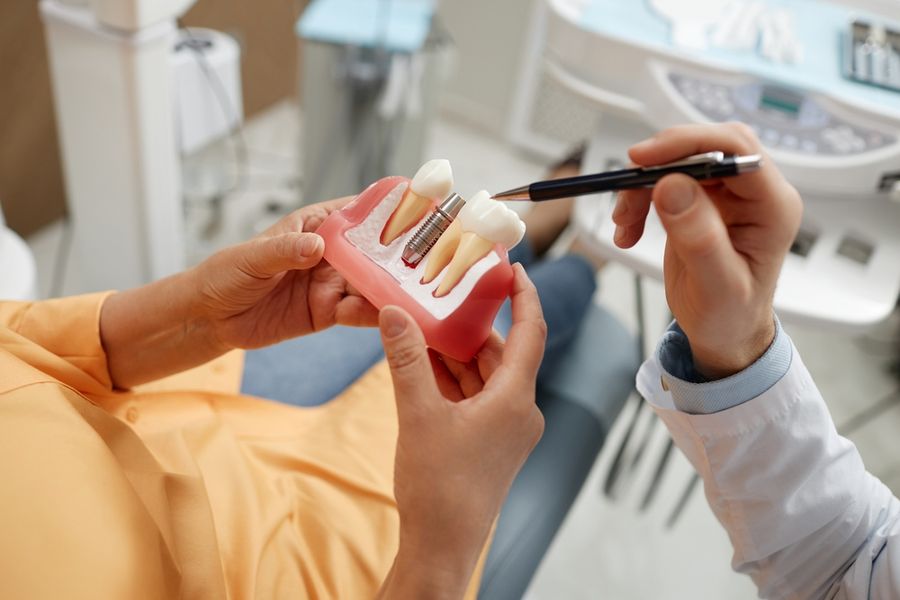
Dental implants have become a cornerstone in modern dentistry, particularly for those seeking to restore bite strength and oral health. Unlike traditional dentures, which can slip and require adhesives, dental implants offer a durable solution that mimics the natural function of teeth.
They provide up to 90% of natural bite strength, allowing individuals to enjoy a wide range of foods without discomfort (source). This restoration of bite strength is crucial not only for eating but also for maintaining jawbone strength and facial muscle balance.
How Dental Implants Enhance Oral Health
Beyond restoring bite strength, dental implants play a significant role in enhancing overall oral health. They prevent bone loss by mimicking the role of natural tooth roots, stimulating the jawbone, and maintaining its health.
This is particularly important as bone loss can lead to further dental complications and changes in facial structure (source). Additionally, implants help maintain the alignment of surrounding teeth, preventing them from drifting and causing bite imbalances.
Advanced Techniques in Dental Implant Procedures
The process of getting dental implants has evolved with advanced techniques such as 3D imaging and digital bite mapping. These technologies allow for custom-fit full-arch implants tailored to individual anatomy and lifestyle needs.
Patients can expect a comprehensive consultation that includes a 3D CT scan and a personalized treatment plan, ensuring the best possible outcomes for their oral health (source).
Restorative Dentistry and Bite Correction
Restorative dentistry complements dental implants by focusing on aligning teeth to enhance oral function and comfort. This includes the use of tooth-colored restorations such as composite fillings, porcelain veneers, and ceramic crowns, which offer durability and aesthetic benefits.
These materials blend seamlessly with natural teeth, providing a stable and functional bite (source). The longevity and durability of these materials ensure long-term success and a stable bite.
Maintaining Oral Health with Dental Implants
Proper maintenance and care are essential for sustaining the benefits of dental implants. Regular dental check-ups and a consistent oral care routine, including brushing and flossing, are crucial.
Dental implants are easy to maintain, requiring no special cleaning routines beyond regular oral hygiene practices (source). This ease of maintenance, combined with their durability, makes dental implants a reliable investment in one's health and quality of life.
Why You Should Learn More About Dental Implants
Dental implants offer a comprehensive solution for those seeking to restore their smile and oral function. They provide a durable foundation for crowns that look and feel like natural teeth, enhancing both aesthetics and functionality.
By preventing bone loss and maintaining bite alignment, dental implants promote healthier gums and bones, contributing to long-term oral health. For individuals experiencing difficulties with traditional dentures or those looking to improve their quality of life, exploring dental implants could be a transformative decision.