

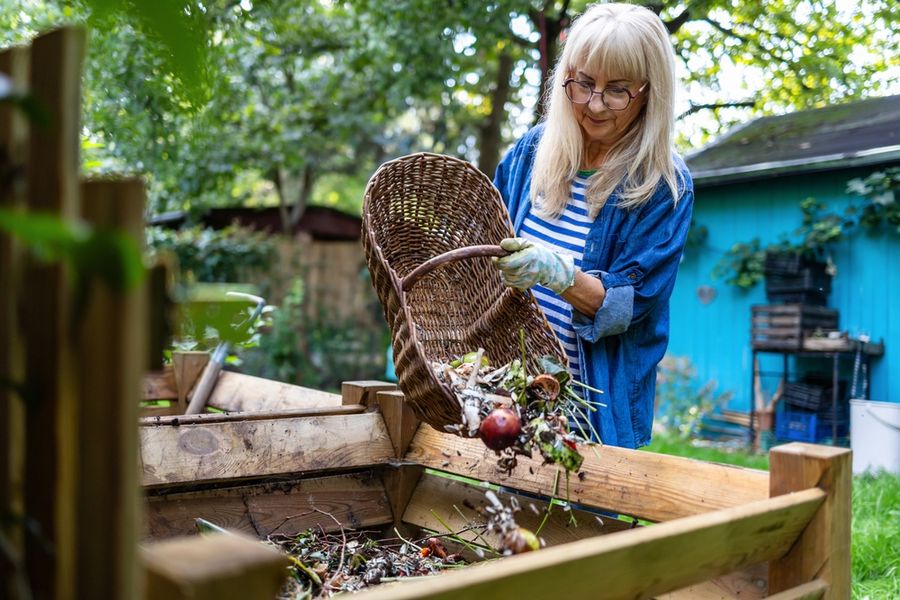
Composting transforms everyday food scraps and yard waste into a nutrient-rich material that supports healthier soil and more vibrant plants. Many people are surprised by how simple the process can be once they learn the basics. It offers an easy way to reduce household waste while creating something useful for gardens and outdoor spaces. Composting also brings a sense of connection to natural cycles. Over time, small habits become a rewarding part of sustainable living.
Understanding What Composting Really Involves
Composting relies on the natural breakdown of organic matter. Microorganisms, oxygen, and moisture work together to turn kitchen scraps, leaves, and other plant materials into a rich, soil-like substance. This process happens gradually and requires minimal intervention when the right conditions are present. Understanding how the components work together helps set realistic expectations.
The finished compost improves soil structure, water retention, and nutrient availability for plants. Whether you use it for gardens, potted plants, or landscaping, compost adds life to the soil. By learning the basics, you begin to appreciate the transformation happening within your pile or bin. This simple cycle mirrors the natural processes found in healthy ecosystems.
Choosing the Right Composting Method for Your Home
Different composting methods suit different living situations. Traditional outdoor bins and piles work well for yards with available space. Tumblers offer a contained option that speeds up decomposition and keeps materials neatly enclosed. They also help deter pests and produce quicker results with regular turning. For those with limited outdoor access, indoor worm composting (vermicomposting) provides a compact and low-odor solution.
Choosing a method depends on your space, comfort level, and how quickly you want finished compost. Each approach has its own advantages, and many beginners find success by starting small. As you learn what works best, you can expand or adjust your system. Flexibility helps make composting an easy, accessible part of your routine.
Balancing Greens and Browns for Healthy Compost
Successful compost relies on a balance of “greens” and “browns.” Greens include fruit and vegetable scraps, coffee grounds, and fresh yard clippings. They add nitrogen, which fuels microbial activity. Browns include dried leaves, cardboard, paper, and small twigs. These materials provide carbon, which helps maintain structure and aids the breakdown process. A healthy balance keeps the compost working efficiently.
Too many greens can create excess moisture and odor, while too many browns slow decomposition. Adding materials gradually and mixing them occasionally helps maintain the right consistency. Over time, you’ll learn to judge the balance based on appearance, texture, and smell. This natural rhythm makes composting feel intuitive and manageable.
Maintaining Your Compost as It Breaks Down
Compost benefits from occasional attention to oxygen and moisture. Turning the pile introduces air, which encourages microorganisms to work efficiently. If the compost feels too dry, a light sprinkle of water helps maintain the right environment. If it becomes too wet, adding more browns brings balance. Small adjustments support steady progress toward a finished product.
Monitoring your compost teaches you how the materials respond to different conditions. Smell can also indicate whether changes are needed; a fresh, earthy scent suggests your compost is on track. With light maintenance, the pile steadily transforms. Over time, this consistent care rewards you with a dark, crumbly material ready for use in your garden.
Using Your Finished Compost Around the Home
Once compost is fully broken down, it can be added to garden beds, mixed into potting soil, or spread across lawns. Its texture improves soil structure and helps plants absorb nutrients more effectively. Even small amounts can enhance the health of your plants. Using compost regularly supports vibrant growth throughout the seasons.
It also serves as a natural alternative to chemical fertilizers. By enriching your soil with compost, you encourage stronger root systems and healthier microbial life. This gentle, organic approach nurtures a balanced outdoor environment. As your composting habit becomes established, you’ll find many opportunities to put it to use.
Bringing Composting Into Your Everyday Routine
Composting becomes second nature when it fits seamlessly into your daily habits. Setting aside a small container for kitchen scraps and establishing a simple outdoor or indoor setup make the process easy to maintain. As you see your efforts turn into rich, usable compost, the practice feels even more rewarding. With time, composting becomes a natural expression of mindful living, helping your home and garden flourish through sustainable choices.