

HVAC systems are pivotal in maintaining comfortable and healthy indoor environments by regulating temperature and enhancing air quality. As energy efficiency becomes increasingly important, advanced technologies and strategies are being employed to optimize key systems. Understand how energy-efficient HVAC solutions can lead to significant energy savings and improved indoor air quality.
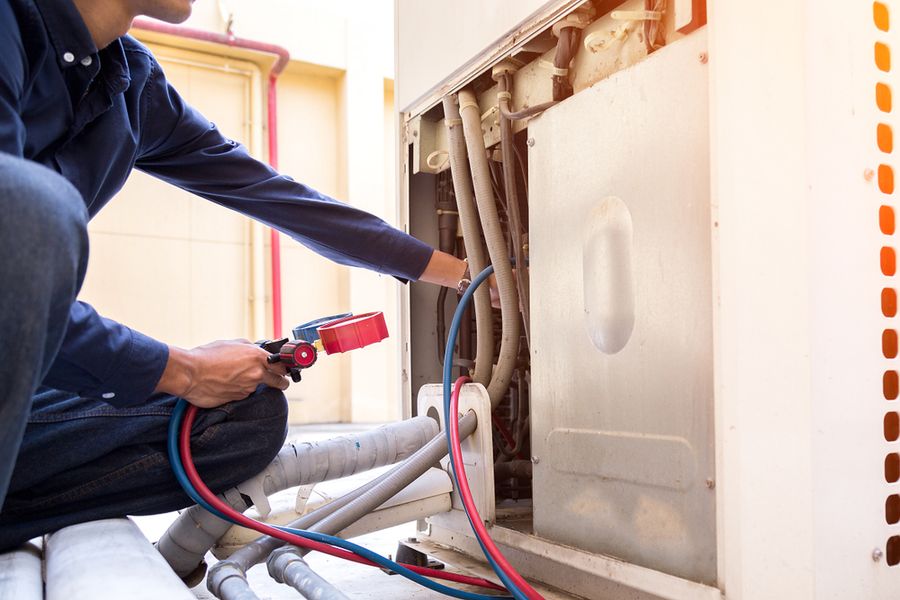
Understanding HVAC and Its Role in Climate Optimization
Heating, Ventilation, and Air Conditioning (HVAC) systems are integral to maintaining comfortable indoor environments. These systems not only regulate temperature but also play a crucial role in enhancing indoor air quality.
With growing concerns about energy consumption and environmental impact, optimizing HVAC systems for energy efficiency has become a priority. Energy-efficient HVAC systems can significantly reduce energy use while maintaining or even improving indoor air quality. This balance is essential for creating healthy living and working spaces (source).
Energy-Efficient HVAC Systems and Indoor Air Quality
Energy-efficient HVAC systems are designed to minimize energy consumption while ensuring optimal indoor air quality. These systems often incorporate advanced technologies such as demand-controlled ventilation (DCV), which adjusts ventilation rates based on occupancy and pollutant levels. By using sensors to monitor CO2 and volatile organic compounds (VOCs), DCV systems can enhance energy efficiency and improve air quality, potentially saving up to 60% of energy compared to traditional systems (source).
Moreover, integrating air-cleaning technologies like air purifiers and ultraviolet germicidal irradiation systems can further improve indoor air quality by removing pollutants and limiting the spread of viruses. These technologies, when monitored with devices such as TSI’s Q-Trak XP Indoor Air Quality Monitor, ensure optimal performance and contribute to a healthier indoor environment (source).
Advanced Control Systems for HVAC Optimization
Advanced control systems, such as the IAQ-Energy Controller, have been developed to optimize HVAC systems by balancing energy use and indoor air quality. These systems integrate economizer control with demand control ventilation to increase outside air intake for cooling when outdoor conditions are favorable. This approach not only reduces energy use but also decreases indoor pollutants, including infectious aerosols (source).
Field studies have demonstrated that such advanced controllers can significantly reduce electricity use and improve air quality compared to traditional ventilation systems. For instance, the IAQ-Energy Controller reduced electricity use by 5 to 16% in various cities and decreased indoor PM2.5 exposure on high pollution days (source). This highlights the potential of advanced control systems in achieving energy-efficient climate optimization in HVAC systems.
Strategies for Enhancing HVAC Efficiency and Air Quality
To optimize HVAC systems for both energy efficiency and air quality, several strategies can be employed. Sealing air leaks and maintaining indoor humidity between 45% and 60% are crucial steps (source). Regularly replacing HVAC filters and choosing low-VOC materials can further enhance air quality. Additionally, installing carbon monoxide alarms and smoke detectors is essential for safety, especially in homes with fuel-fired appliances or attached garages.
Furthermore, incorporating smart building technologies, such as sensors and IoT applications, can enhance indoor air quality and reduce energy consumption. These technologies adjust ventilation, lighting, and temperature based on real-time data, optimizing building performance and contributing to a healthier indoor environment (source).
Why You Should Learn More About HVAC and Climate Optimization Today
Understanding the role of HVAC systems in climate optimization is crucial for creating energy-efficient and healthy indoor environments. By exploring advanced technologies and strategies for enhancing HVAC efficiency and air quality, individuals and organizations can make informed decisions that benefit both the environment and occupant health.
As the demand for sustainable solutions grows, staying informed about the latest developments in HVAC technology and climate optimization can lead to significant energy savings and improved indoor air quality.