

Roofing materials play an important role in protecting buildings from weather, structural stress, and long-term deterioration. Factors such as durability, climate resistance, safety standards, and installation quality can all influence a structure’s stability and lifespan. Understanding how roofing choices affect performance and maintenance costs can help property owners make more informed construction and renovation decisions.
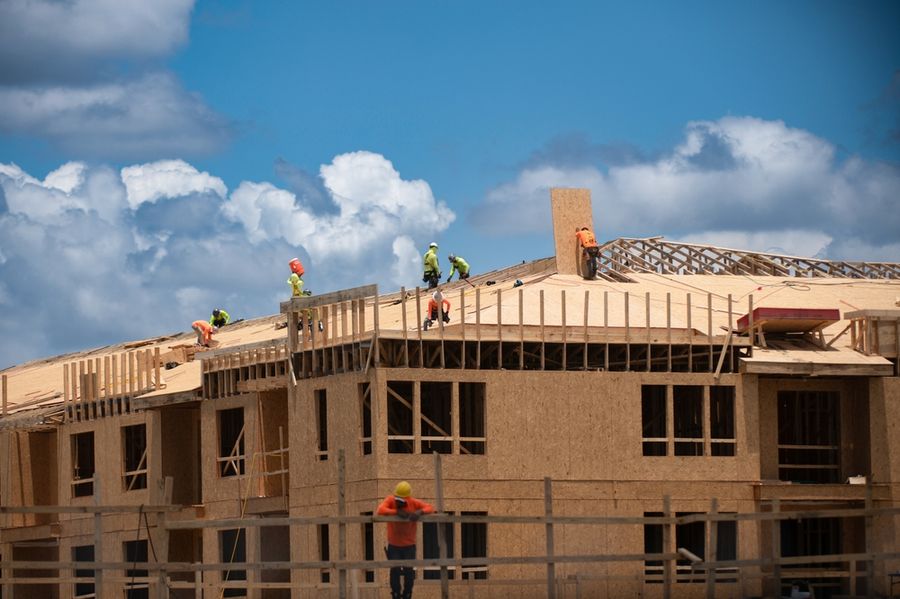
Understanding Materials for Structural Integrity
When it comes to roofing, selecting the right materials is crucial for ensuring the structural integrity of a building. This involves evaluating the load-bearing capacity, durability, and stability required for the structure, which can vary significantly depending on whether the building is residential, commercial, or industrial (source).
The choice of materials must also consider environmental factors such as weather conditions, seismic activity, and soil conditions. For instance, in earthquake-prone areas, specific materials may require additional detailing to enhance their resilience, while coastal regions might necessitate corrosion-resistant materials like aluminum or galvanized steel (source).
Building Codes and Safety Standards
Adhering to building codes and safety standards is essential for maintaining the structural integrity of roofing systems. These codes, which can vary by location, include specific requirements for materials and design criteria, such as fire ratings and impact resistance in hurricane zones (source).
Building safety standards provide a framework that includes standards, codes, and regulations to protect public welfare and ensure buildings can withstand natural and technological challenges (source). Organizations like the International Code Council (ICC) and the National Fire Protection Association (NFPA) play crucial roles in developing these standards, ensuring they align with the latest practices and technologies (source).
Durability and Aesthetic Considerations
The strength and durability of roofing materials are key to maintaining structural integrity. Common materials like steel, concrete, and wood are chosen based on their ability to withstand environmental stresses and their suitability for the intended use of the structure (source).
Additionally, aesthetics play a role in the selection of roofing materials, as the visual appeal of a building can enhance its value. Exposed structural elements, such as timber, can contribute to a building's natural aesthetic and overall design appeal (source).
How Roofing Problems Can Affect Structural Integrity
Roofing problems can gradually weaken a building’s structural stability when left unaddressed. Issues such as water intrusion, poor ventilation, storm damage, and weakened roof decking often begin as minor concerns but can spread into the framing, insulation, ceilings, and support systems over time. Moisture is especially damaging because it can lead to wood rot, mold growth, and deterioration of structural materials hidden beneath the roof surface.
Poor attic ventilation can also shorten the lifespan of roofing materials by trapping heat and moisture, which may weaken wood components and reduce insulation effectiveness. Additionally, damaged or aging roof decking can create soft spots, sagging rooflines, and instability that may require extensive structural repairs if ignored. Regular inspections and timely maintenance are important for identifying early warning signs before small roofing issues develop into larger structural problems affecting the entire property (source).
Cost and Availability
Cost and availability of roofing materials can significantly impact project timelines and budgets. It is important to balance these factors with the materials' strength and durability to ensure the best choice for the project (source).
The development of building safety protocols has evolved from past catastrophic events, leading to a unified approach that replaces fragmented local rules with standardized codes to enhance the durability and safety of structures (source).
Why You Should Learn More About Roofing Today
Understanding roofing materials and installation standards is important for protecting the long-term stability, safety, and value of a building. Different roofing systems offer varying levels of durability, weather resistance, fire protection, and energy efficiency, making material selection a significant part of any construction or renovation project. Environmental conditions such as heavy rain, strong winds, heat, or seismic activity can also influence which materials perform best over time. Choosing suitable roofing materials and following building regulations can help reduce maintenance costs and extend the lifespan of the structure.
Learning more about roofing can also help property owners better evaluate contractors, warranties, and long-term investment value. Modern roofing technologies continue to improve energy efficiency, sustainability, and structural performance, offering more options than ever before. Factors such as material availability, installation quality, and ongoing maintenance all contribute to the overall effectiveness of a roofing system. Staying informed about roofing standards and material advancements can help homeowners and builders make smarter decisions that support durability, safety, and long-term property protection.