

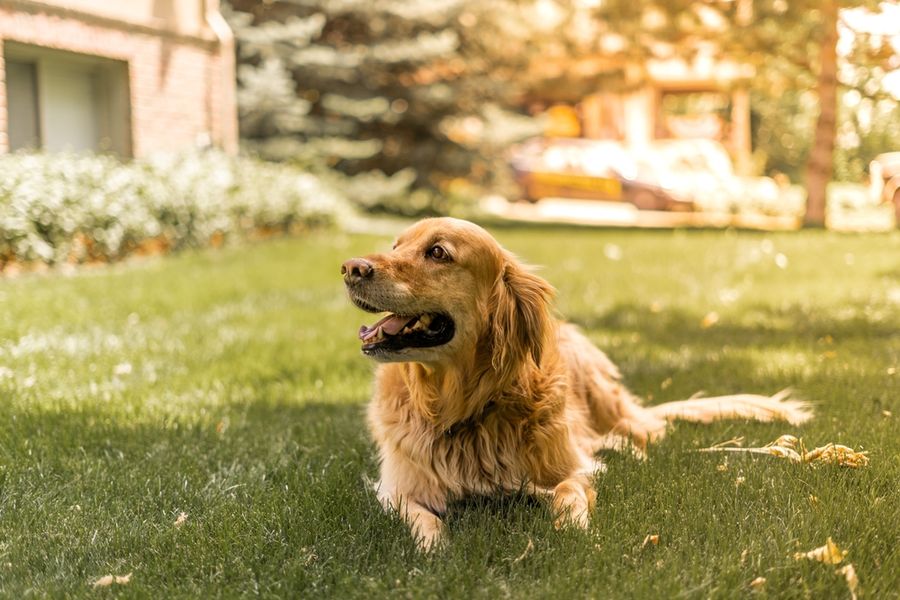
A yard can be a wonderful place for pets to explore, relax, and enjoy fresh air, but thoughtful design helps keep the space safe and inviting. Many common plants, materials, and landscaping features can pose risks without meaning to. Creating a pet-friendly environment supports your animal’s well-being while still allowing your outdoor space to flourish. With careful planning and simple adjustments, your yard can become a comfortable, enriching haven for both pets and people.
Choosing Plants That Are Safe for Curious Pets
Selecting non-toxic plants is one of the most important steps in creating a safe outdoor environment. Many popular ornamentals, such as lilies, azaleas, and sago palms, can be harmful if chewed or ingested. Opting for pet-safe alternatives like marigolds, sunflowers, snapdragons, and many herbs provides peace of mind without sacrificing beauty. Researching plant options helps you build a garden that aligns with your pet’s natural curiosity.
Safe plants also support a more relaxed atmosphere for both pets and owners. When you know your yard is filled with low-risk greenery, you can feel more confident about giving your pet space to explore. Placing new plants in raised beds or sturdy containers further protects them from playful digging. This thoughtful combination of safe choices creates a garden that is as secure as it is inviting.
Designing Secure Spaces for Exploration and Play
A well-fenced yard allows pets to move freely without the risk of wandering off. Regularly checking fence lines for gaps, loose boards, or dig-out spots helps keep the area secure. For small pets, adding mesh or reinforcing the base of the fence can provide extra protection. A secure perimeter gives your pet room to roam without constant supervision.
Creating designated zones can also add structure to your outdoor space. An open grassy area for play pairs well with shaded corners for resting. Some pets enjoy a sandbox or a dig-friendly patch of soil where they can satisfy natural instincts without disturbing garden beds. Designing with your pet’s habits in mind creates a space that feels enriching rather than restrictive.
Incorporating Pet-Friendly Landscaping Materials
Certain landscaping materials can become hazards depending on your climate and your pet’s behavior. Smooth stones, untreated wood chips, and pet-safe mulch options tend to be safer than cocoa mulch or sharp gravel. Avoiding materials that become extremely hot in sunlight helps protect sensitive paws. Thoughtful selection ensures your yard remains comfortable and navigable.
Soft paths lined with mulch or grass offer a gentler walking surface. Choosing durable, non-toxic materials for pathways and borders helps prevent accidental injuries. This attention to detail makes it easier for pets to explore without discomfort. Over time, these choices contribute to a safer and more enjoyable outdoor environment.
Reducing Exposure to Chemicals and Garden Hazards
Chemicals found in fertilizers, pesticides, and herbicides can pose serious risks to pets. Choosing natural or pet-safe garden treatments reduces that exposure while still supporting healthy plant growth. Compost, organic pest control methods, and manual weeding are all gentle alternatives. Eliminating harsh chemicals keeps your yard healthier for both animals and the environment.
Common outdoor items can also create hazards. Tools left on the ground, unsecured hoses, and open compost bins may attract curious paws. Regular tidying helps minimize accidents and keeps the yard safe for exploration. Being mindful of potential hazards supports a more relaxed outdoor experience for your pet.
Adding Enrichment to Make the Yard More Enjoyable
A pet-friendly yard can also become a stimulating environment that encourages healthy activity and exploration. Elements like tunnels, climbing structures, or shaded resting spots provide variety. Rotating toys or adding scent-friendly plants such as catnip or mint can keep the space interesting. These features allow pets to use their natural instincts in positive ways.
Water features designed with safety in mind can offer refreshing play opportunities. Shallow fountains or splash areas give pets a place to cool down without exposing them to deep or unsafe water. Engaging outdoor resources help reduce boredom and promote exercise, making the yard a fun extension of your pet’s daily routine.
Creating a Yard That Welcomes Pets With Care
A pet-friendly garden grows from mindful choices that support curiosity, safety, and comfort. When you tailor your outdoor space to match your pet’s needs, the yard becomes a place for joy and exploration rather than worry. Over time, thoughtful landscaping and consistent care help create an environment where plants thrive and pets feel at home. This balance enriches your outdoor space and strengthens the bond you share with your animal companion.