

The air inside your home plays a major role in your comfort, health, and overall well-being. Many common household activities can introduce pollutants, yet small adjustments can make your indoor environment feel fresher and cleaner. Natural approaches to air quality help reduce irritants without relying on harsh chemicals or costly systems. With consistent habits, your home becomes a more breathable and inviting space. Over time, natural choices support a healthier atmosphere for everyone who lives there.
Maximizing Fresh Air and Everyday Ventilation
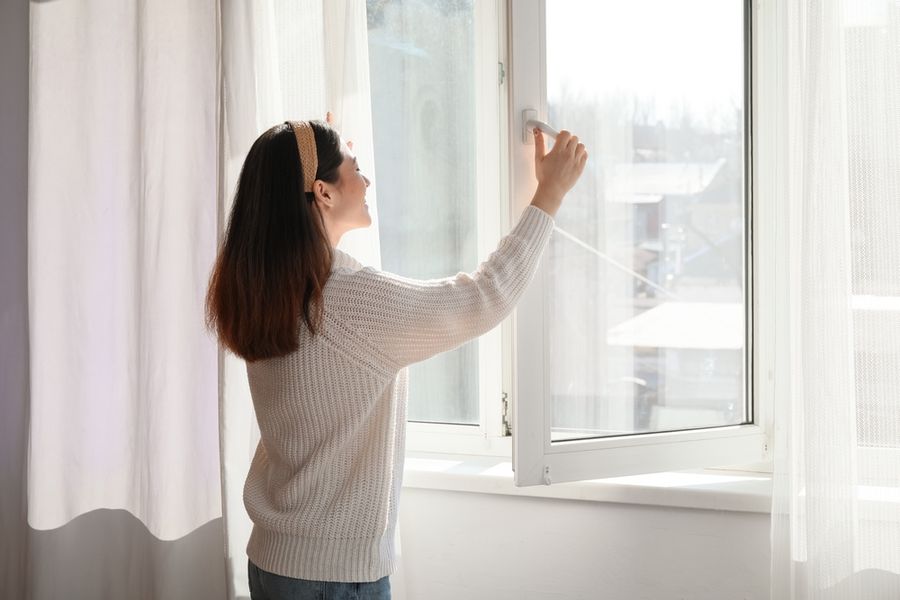
Opening windows is one of the simplest ways to improve indoor air quality. Allowing fresh air to circulate helps clear out trapped pollutants, moisture, and odors. Cross-ventilation, where air flows from one window to another, provides even greater benefits. This small habit can refresh your space quickly, especially during mild weather.
Using exhaust fans in kitchens and bathrooms also supports cleaner air. These fans help remove humidity, smoke, and airborne particles created during cooking and bathing. Reducing excess moisture helps prevent mold growth and improves overall comfort. Consistent ventilation habits create a foundation for healthier indoor air throughout the year.
Choosing Houseplants That Support Cleaner Air
Certain indoor plants can help reduce airborne pollutants by absorbing toxins and releasing oxygen. While they aren’t a complete solution, they contribute to a fresher environment. Popular choices include spider plants, peace lilies, pothos, and snake plants. These low-maintenance options thrive in many home conditions and add natural beauty to your space.
Placing plants in areas where you spend the most time can enhance their impact. They work especially well in offices, living rooms, and bedrooms where air tends to stay still. Caring for plants also introduces a calming element to your daily routine. With thoughtful placement, houseplants support both well-being and cleaner indoor air.
Reducing Indoor Pollutants From Everyday Sources
Many products used in daily life release volatile organic compounds (VOCs), which can affect indoor air quality. Cleaning sprays, adhesives, candles, and air fresheners may contribute to buildup over time. Choosing natural or fragrance-free alternatives helps limit exposure. Opting for products with simple, plant-based ingredients can create a cleaner environment.
Even small habits make a difference. Removing shoes at the door prevents dirt, chemicals, and outdoor pollutants from spreading inside. Regular dusting and vacuuming remove allergens and particulates that collect on surfaces. By reducing sources of indoor pollution, you help your home feel fresher and more comfortable.
Managing Humidity for Healthier Indoor Air
Humidity levels influence both comfort and air quality. Too much moisture can encourage mold growth, while air that’s too dry may cause irritation. Maintaining balanced humidity creates a healthier living environment. Using dehumidifiers in damp areas helps reduce the risk of mold and mildew. In contrast, humidifiers add soothing moisture during dry seasons or in heated indoor spaces.
Checking for water leaks and repairing them quickly also supports air quality. Small drips or condensation can lead to hidden moisture problems. Improving airflow around damp areas helps keep surfaces dry. Staying aware of humidity levels helps protect your home and your respiratory comfort.
Cleaning Naturally to Reduce Chemical Exposure
Using gentle, non-toxic cleaning products helps keep the air in your home clean from unnecessary chemicals. Vinegar, baking soda, and castile soap can handle many everyday cleaning tasks. These simple ingredients reduce the presence of synthetic fragrances and harsh solvents. Natural cleaning methods support both indoor air quality and environmental well-being.
Regular cleaning routines make a significant impact. Dusting shelves, washing bedding, and wiping high-touch surfaces reduce allergens and irritants. Choosing washable cloths instead of disposable wipes also helps minimize waste. As you shift toward natural cleaning habits, your home becomes a place where fresh, clean air is easier to maintain.
Inviting Fresh, Breathable Air Into Your Home
Improving indoor air quality becomes easier when it’s part of your everyday routine. Small choices, like opening windows regularly or switching to gentler products, create a healthier environment over time. As you pay attention to the sources of indoor pollutants, your home naturally becomes more comfortable.
With consistent care, your indoor air can feel fresher, cleaner, and more supportive of your well-being throughout the seasons. Each mindful adjustment helps create a space where you can breathe more easily, recharge more deeply, and enjoy a healthier connection to your home. Over time, these efforts build a living environment that feels both balanced and nurturing.