

Managing energy use at home can make a noticeable difference in both comfort and monthly expenses. Small adjustments throughout the year help keep heating, cooling, and electricity costs under control. Many energy-saving habits are simple, practical, and easy to maintain once you understand how your home functions. By paying attention to seasonal needs and daily routines, you can create a more efficient household. Over time, mindful choices support long-term savings and a more sustainable lifestyle.
Improving Insulation and Sealing Trouble Spots
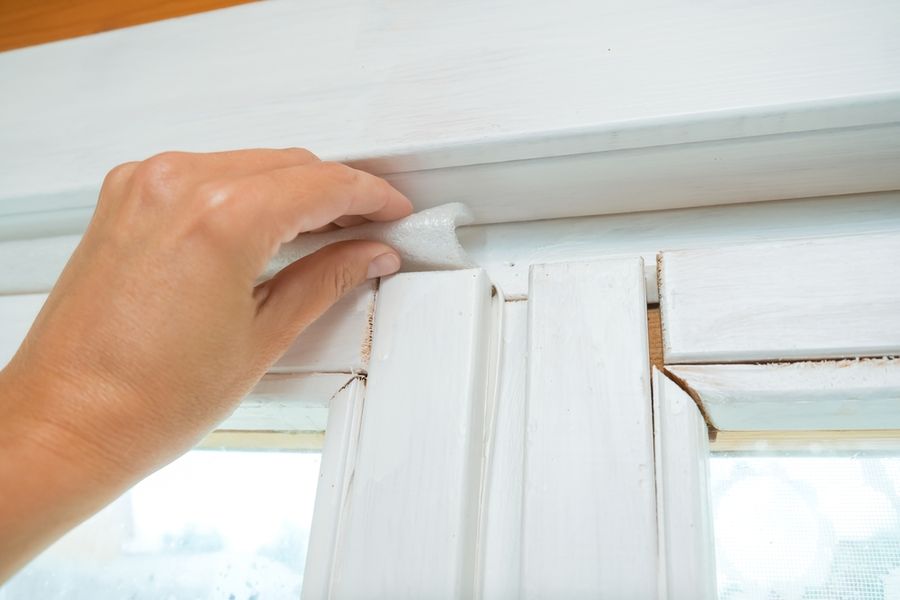
Proper insulation helps keep warm air inside during winter and cool air inside during summer. Checking attics, basements, and crawl spaces for gaps can reveal areas where energy may be escaping. Weatherstripping around doors and windows helps reduce drafts and improves temperature control. These small updates increase comfort and reduce the demand on your heating and cooling systems.
Sealing air leaks also supports better energy efficiency. Caulking around window frames, baseboards, and exterior openings minimizes the movement of air. Even minor improvements can have a big impact over time. By reinforcing the structure of your home, you enhance performance and reduce unnecessary energy waste.
Using Heating and Cooling Systems More Efficiently
Your HVAC system plays a major role in energy consumption, so maintaining it properly is essential. Regularly replacing filters keeps air flowing smoothly and helps the system operate more efficiently. Scheduling yearly inspections ensures everything is working as it should. Small steps like adjusting thermostat settings slightly in summer and winter help reduce overall usage.
Ceiling fans support temperature control as well. Running them clockwise in winter pushes warm air downward, while a counterclockwise direction in summer creates a cooling effect. Using fans allows you to rely less on your HVAC system, lowering your energy bills without sacrificing comfort. This coordinated approach helps maintain a steady indoor climate.
Making the Most of Natural Light and Ventilation
Natural light can reduce the need for artificial lighting while creating a warm, inviting atmosphere. Opening curtains during the day provides brightness without adding to your energy use. Strategically placing mirrors can help reflect light into darker areas. This simple habit can brighten your home and reduce electricity consumption simultaneously.
Ventilation also plays a key role. Fresh air can help regulate indoor temperature without relying solely on heating or cooling. Opening windows during mild weather encourages airflow and reduces humidity. Using window shades and blinds strategically helps block heat in summer and retain warmth in winter. These practices support a comfortable home environment while saving energy.
Choosing Energy-Efficient Appliances and Lighting
Modern appliances are designed with energy efficiency in mind. Upgrading old models to Energy Star–certified options can significantly reduce electricity use. Refrigerators, washing machines, and dishwashers often consume less power while offering improved performance. When the time comes to replace appliances, choosing efficient options can lead to long-term savings.
Lighting also presents an easy opportunity for improvement. LED bulbs use far less electricity than traditional incandescent bulbs and last much longer. They offer bright, consistent light with minimal energy demand. Swapping out older bulbs throughout your home is a quick and effective way to reduce energy costs.
Creating Daily Habits That Encourage Efficiency
Simple habits make a big difference over time. Turning off lights when leaving a room, unplugging unused electronics, and using power strips to manage devices can cut down on phantom energy use. Running full loads in the dishwasher and washing machine maximizes efficiency. Small choices like air-drying laundry when possible offer additional savings.
Cooking habits can also support energy conservation. Using lids on pots, choosing the right burner size, and relying on small appliances like toaster ovens or slow cookers reduce overall energy demand. These everyday routines create a consistent pattern of mindful energy use. With practice, efficiency becomes an easy part of your lifestyle.
Supporting a Home That Works Smarter, Not Harder
Energy efficiency grows from simple shifts that fit naturally into your daily routines. When you understand how your home uses power, you can make choices that support comfort and long-term savings. Each mindful habit contributes to a more sustainable environment for you and your household, creating a living space that feels both efficient and inviting. Small improvements, whether they involve adjusting your thermostat or choosing better lighting, gradually add up to meaningful change.
As you refine your routines, you may notice that your home operates more smoothly with less effort on your part. Reducing wasted energy also minimizes wear on appliances and systems, helping them last longer. This thoughtful approach not only supports your budget but also reduces your environmental impact. With time, energy-smart living becomes an easy, intuitive part of maintaining a comfortable and dependable home.