

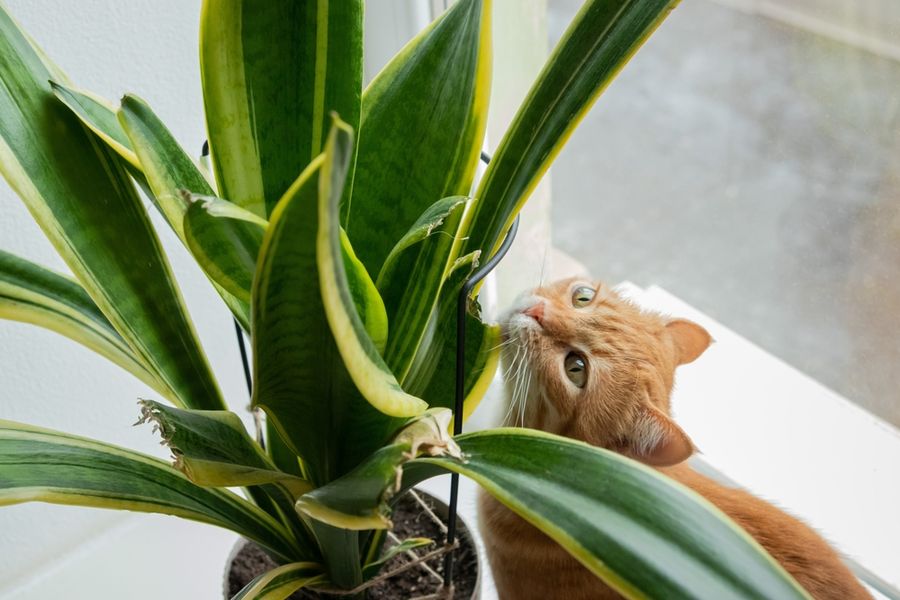
Creating a safe home for pets begins with an understanding how animals explore their surroundings. Curious noses, playful paws, and natural instincts can lead them into unexpected places. A thoughtful approach to safety helps prevent accidents and supports your pet’s well-being. Simple precautions can make daily life more secure and comfortable. With consistent awareness, your home becomes a space where your pet can move around confidently without unnecessary risks.
Securing Hazardous Household Items
Many everyday household products can be harmful to pets if accessed accidentally. Cleaning supplies, medications, and certain personal care items should be stored in closed cabinets or high shelves. Curious pets may also explore trash bins, so using lids or keeping waste out of reach is important. These small adjustments prevent exposure to substances that could harm their health.
Electrical cords and small objects can also pose risks. Pets may chew wires or swallow loose items, leading to injuries or digestive issues. Organizing cords, using protective coverings, and keeping small objects off the floor help reduce these hazards. A tidy, organized environment supports both safety and peace of mind.
Choosing Safe Plants and Avoiding Toxic Greenery
Many popular houseplants are beautiful but can be dangerous if chewed. Plants like lilies, pothos, sago palms, and philodendrons can cause digestive or more serious health issues. Researching plant safety before bringing greenery into your home helps protect your pet from accidental ingestion. Replacing high-risk plants with pet-friendly options creates a more secure living space.
Safe alternatives such as spider plants, prayer plants, and certain herbs brighten your home while reducing risk. Elevating plants or placing them in areas pets cannot reach adds another layer of protection. This thoughtful approach lets you enjoy indoor greenery without compromising your companion’s well-being. Awareness plays a key role in building a pet-friendly environment.
Creating Physical Boundaries for Off-Limit Areas
Some areas of your home may contain hazards you want your pet to avoid. Baby gates, closed doors, or secure barriers can prevent access to rooms like laundry spaces, garages, or storage areas. These boundaries help you control where your pet roams and protect them from potential dangers. Simple barriers are often enough to guide safe movement through the home.
Training also supports boundary awareness. Teaching pets to avoid certain spaces, counters, or furniture gives them a clear understanding of safe zones. Positive reinforcement encourages cooperation and builds trust. Clear physical and behavioral boundaries create a structured environment that keeps your pet safe while still giving them freedom.
Preventing Accidents With Everyday Objects and Furniture
Household items can become unexpected hazards if not managed thoughtfully. Heavy decor, unstable furniture, or objects that can topple easily pose risks during play. Securing tall bookshelves, mounting televisions, and anchoring cabinets help prevent accidents. Regularly checking furniture stability keeps your home safer as your pet moves through their space.
Pet-proofing also includes considering floor-level hazards. Loose rugs, sharp-edged furniture, or clutter can cause slips or injuries. Choosing non-slip mats and smoothing corners with guards makes your home easier to navigate. When your space is arranged with safety in mind, your pet gains confidence and comfort in their surroundings.
Staying Aware of Food and Kitchen Dangers
The kitchen often contains foods that are safe for humans but harmful to pets. Items like chocolate, onions, grapes, and xylitol-containing products can cause serious health issues if eaten. Keeping countertops clear and storing foods in sealed containers prevents accidental access. Monitoring pets during meal prep further reduces risk.
Heat-related hazards are also important. Hot stovetops, open ovens, and splattering oil can harm a curious animal. Creating a routine where pets stay out of the kitchen during cooking helps avoid these dangers. Simple habits like blocking entry or guiding them to a safe resting spot protect them from harm.
Creating a Home Where Pets Feel Protected
A safe environment allows pets to explore, play, and rest with confidence. When you stay mindful of potential hazards, your home naturally becomes more secure and welcoming. Thoughtful adjustments help prevent accidents and support your companion’s long-term health. Over time, these efforts build a space that truly nurtures the well-being of every pet in your household. As your awareness grows, you may find it easier to anticipate your pet’s needs and create routines that foster comfort. With consistent care, your home becomes a reliable sanctuary where your pet can thrive.