

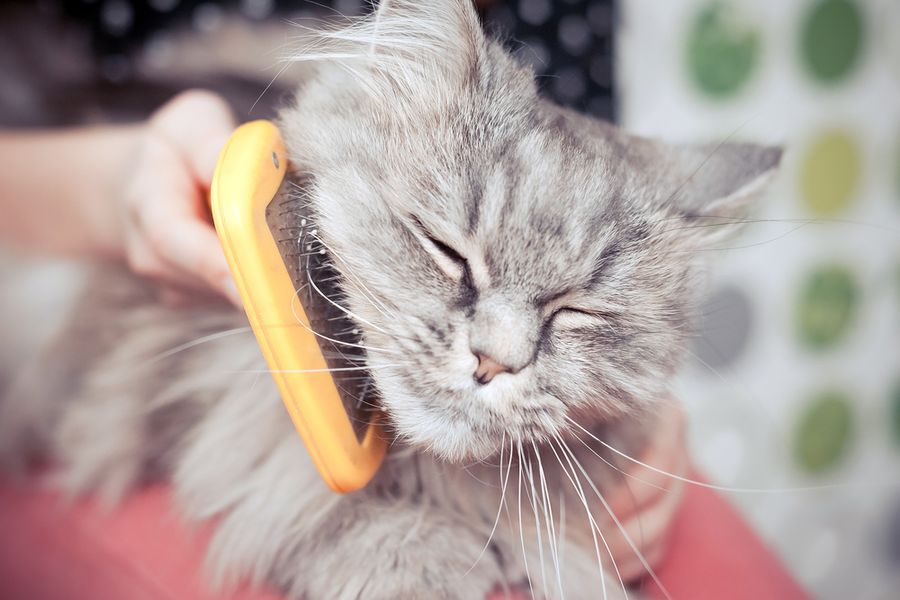
A consistent grooming routine keeps your pet comfortable, healthy, and looking their best. Many animals rely on their owners to help maintain clean coats, trimmed nails, and overall hygiene. Regular grooming also strengthens the bond you share by creating moments of care and connection. When you understand what your pet needs, grooming becomes a simple, rewarding part of your routine. Over time, keen attention supports your pet’s well-being and boosts their confidence.
Maintaining a Clean and Healthy Coat
Brushing is one of the most effective ways to support your pet’s coat health. Regular brushing removes loose fur, reduces shedding, and distributes natural oils that keep the coat shiny. Long-haired pets may need daily grooming to prevent mats and tangles, while short-haired pets benefit from weekly sessions. Taking a few minutes to brush your pet also gives you a chance to check for bumps, dryness, or signs of irritation.
Bathing is another important part of coat care, though it should be done thoughtfully. Using pet-safe shampoo helps maintain skin balance, as human products can cause dryness or discomfort. Frequency depends on your pet’s breed, activity level, and skin sensitivity. When bathing becomes a calm, routine experience, your pet feels more comfortable and cooperative.
Caring for Nails, Paws, and Paw Pads
Keeping nails at a healthy length prevents pain and mobility issues. Overgrown nails can cause discomfort or change the way your pet walks. Using pet-specific clippers or a nail grinder makes trimming safer and more precise. Many pets need frequent nail checks, especially when living indoors where surfaces do not naturally file them down.
Paw care is equally important. Checking between the toes for debris, cuts, or irritation helps prevent infections. Paw pads can also dry out, especially in extreme temperatures, so moisturizing balms may offer relief. Attentive paw care ensures your pet can walk, run, and play comfortably throughout the year.
Supporting Ear and Eye Health With Regular Checks
Ears can accumulate wax or debris quickly, especially in breeds with floppy or hairy ears. Gently cleaning with a vet-approved solution helps prevent infections and keeps ears comfortable. Strong odors, redness, or excessive scratching may signal the need for veterinary attention. Regular checks help you catch concerns early and support long-term ear health.
Eye care is another essential part of grooming. Wiping away tear stains or discharge with a soft, damp cloth keeps the eye area clean. Some breeds require more frequent cleaning due to eye shape or sensitivity. Paying attention to changes, such as redness or cloudiness, helps protect your pet’s vision and comfort.
Taking Care of Teeth and Oral Hygiene
Dental health plays a major role in your pet’s overall well-being. Plaque buildup can lead to gum disease, discomfort, or infections that affect other parts of the body. Regular brushing with pet-safe toothpaste helps prevent these issues. Introducing brushing slowly makes the process easier for both you and your pet.
Chew toys, dental treats, and professional cleanings also support oral hygiene. These tools help reduce tartar and stimulate healthy gums. Paying attention to your pet’s breath, chewing habits, and mouth appearance helps you identify problems early. Prioritizing dental care leads to better long-term health and improved quality of life.
Understanding Grooming Needs Based on Breed and Coat Type
Different pets have different grooming requirements depending on their coat type, size, and activity level. Breeds with dense or curly coats may need more frequent brushing and professional grooming sessions. Short-haired breeds typically require simpler routines but still benefit from regular checks and maintenance. Knowing what your pet’s breed needs helps you create a grooming schedule that works.
Researching specific grooming needs allows you to plan ahead. Some pets require specialized tools, while others benefit from seasonal adjustments. When you tailor grooming habits to your pet’s individual characteristics, you support better health and comfort. This personalized approach makes grooming more effective and enjoyable.
Creating a Calm Routine Your Pet Can Trust
A gentle, predictable grooming routine helps your pet feel safe and supported. When grooming becomes a familiar experience, your pet learns to relax and enjoy the attention. Patience, consistency, and positive reinforcement build trust over time. As you care for your pet’s coat, nails, and overall hygiene, you create a routine that strengthens your bond and supports lifelong well-being.